
Why Understanding the Home Appraisal Process Matters
If you’re preparing to buy, sell, or refinance a home, understanding the home appraisal process is essential. This guide offers a clear, expert-level explanation of how appraisals work and includes separate localized insights for both Staten Island, NY and Middlesex County, NJ so you can anticipate what an appraiser evaluates and how local market conditions influence value.
What Is a Home Appraisal?
A home appraisal is a professional, unbiased estimate of a property’s fair market value. Lenders rely on appraisals to determine how much financing they can safely provide. Buyers and sellers use appraisals to confirm pricing and avoid over- or under-valuing a property.
Key reasons appraisals matter:
-
Prevents buyers from overpaying
-
Protects lenders from high-risk loans
-
Helps sellers price accurately
-
Essential for refinancing approval

Step-by-Step: The Home Appraisal Process
1. Lender Orders the Appraisal
After a buyer’s offer is accepted or a homeowner applies for refinancing, the lender orders the appraisal. Borrowers typically pay the appraisal fee.
2. Scheduling the Appointment
The appraiser contacts the homeowner to schedule the inspection, usually within a few days of being assigned.
3. On-Site Property Inspection
The appraiser evaluates:
-
Square footage, layout, and number of bedrooms/bathrooms
-
Home condition, improvements, and maintenance
-
Structural quality and functionality
-
Lot size and exterior features
-
Energy-efficient upgrades
-
Safety features and access
4. Comparable Sales Analysis
The appraiser researches recently sold nearby homes with similar characteristics (size, condition, lot, age, style). Adjustments are made for differences.
5. Market Trends Review
The appraiser considers local supply, demand, and pricing trends. Fast-moving markets may produce appraisal gaps if contract prices exceed data-supported values.
6. Final Appraisal Report
A formal report is submitted to the lender with:
-
Property details
-
Comparable sales used
-
Market analysis
-
Final estimated market value
7. How the Result Affects the Transaction
-
At or above contract price: Closing moves forward.
-
Below contract price: Parties may renegotiate, buyer may bring extra cash, or the contract may cancel if contingencies allow.
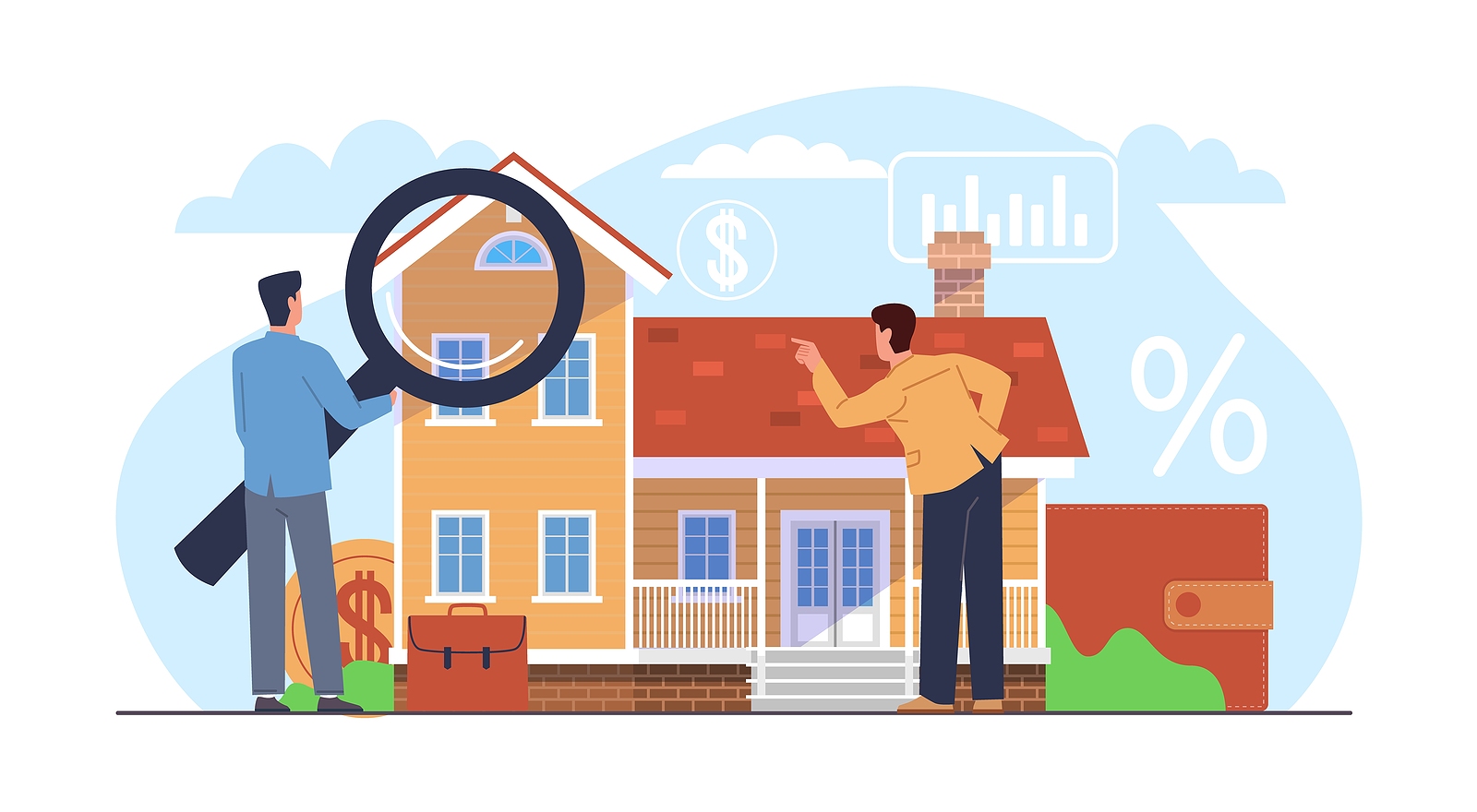
What Appraisers Look For
Appraisers evaluate multiple categories:
Property Condition
-
Age of roof, HVAC, plumbing, electrical
-
Presence of upgrades or renovations
-
Deferred maintenance
Size & Structure
-
Total square footage
-
Bedrooms, bathrooms, and layout functionality
-
Basement or attic finished areas
Location
-
Neighborhood condition
-
Accessibility to schools, transportation, amenities
Market Data
-
Current supply vs. demand
-
Days on market for similar homes
-
Price trends over recent months
Local: Staten Island, NY
Current Staten Island Market Snapshot
-
Typical home values in Staten Island are around the low-to-mid $700,000s.
-
Median sale prices reflect steady year-over-year growth.
-
Certain neighborhoods show stronger appreciation based on transit access, schools, and proximity to amenities.
How This Affects Appraisals in Staten Island
-
Staten Island’s micro-markets vary significantly, so recent comps in the immediate neighborhood heavily influence appraised value.
-
Homes in high-demand areas tend to appraise closer to contract prices.
-
Renovations and well-documented upgrades often make a measurable difference due to competitive pricing.
Tips for Staten Island Sellers
-
Keep the property decluttered and well-maintained
-
Provide documentation for upgrades (roof, HVAC, windows, siding, kitchen/bath remodels)
-
Ensure curb appeal is strong — landscaping affects first impressions
-
Highlight neighborhood benefits, transit proximity, and school quality
Tips for Staten Island Buyers
-
Use appraisal contingencies where possible
-
Understand micro-market differences within Staten Island
-
Expect more stable appraisal outcomes in established neighborhoods
-
Prepare financially for appraisal gaps in competitive price ranges
Local: Middlesex County, NJ
Current Middlesex County Market Snapshot
-
Median home values typically fall in the mid-$500,000 range, with steady growth in recent years.
-
Homes often sell quickly, indicating strong buyer demand.
-
Neighborhood dynamics vary: single-family homes, condos, and townhomes each have unique valuation patterns.
How This Affects Appraisals in Middlesex County
-
Appraisals may vary widely depending on property type due to the mix of housing styles.
-
Recent sales within the same subdivision or township carry the most weight.
-
Small differences in upgrades or condition can significantly influence value near the mid-price range.
Tips for Middlesex County Sellers
-
Fix any visible maintenance issues before appraisal
-
Provide receipts and descriptions of renovations
-
Prepare the home so it shows cleanly and professionally
-
Offer the appraiser helpful information about similar nearby sales
Tips for Middlesex County Buyers
-
Be prepared for potential appraisal gaps in fast-moving markets
-
Analyze recent comps carefully before offering
-
Ask your agent how local market conditions affect appraisals in your specific township
-
Use contingencies if the market allows
Why Appraisals Are Important in Any Market
Even in competitive markets, appraisals maintain fairness and prevent inflated values. Whether you’re in Staten Island or Middlesex County, being prepared helps ensure your appraisal supports the transaction.
FAQs (Less Common Questions)
How long is an appraisal valid?
Typically 3–6 months, depending on lender policy and market conditions.
Can I dispute a low appraisal?
Yes. You may request a reconsideration of value if errors exist or better comps are available.
Do upgrades increase appraisal value?
Yes — documented structural upgrades and high-value improvements (roof, HVAC, major remodels) often contribute to a higher valuation.
Is an appraisal the same as an inspection?
No. Inspections assess condition and safety. Appraisals determine market value.




 EN
EN
 RU
RU